Travel and consumers
Still planning after the booking
Most travelers keep researching after they have already committed. The industry has to earn that choice a second time.
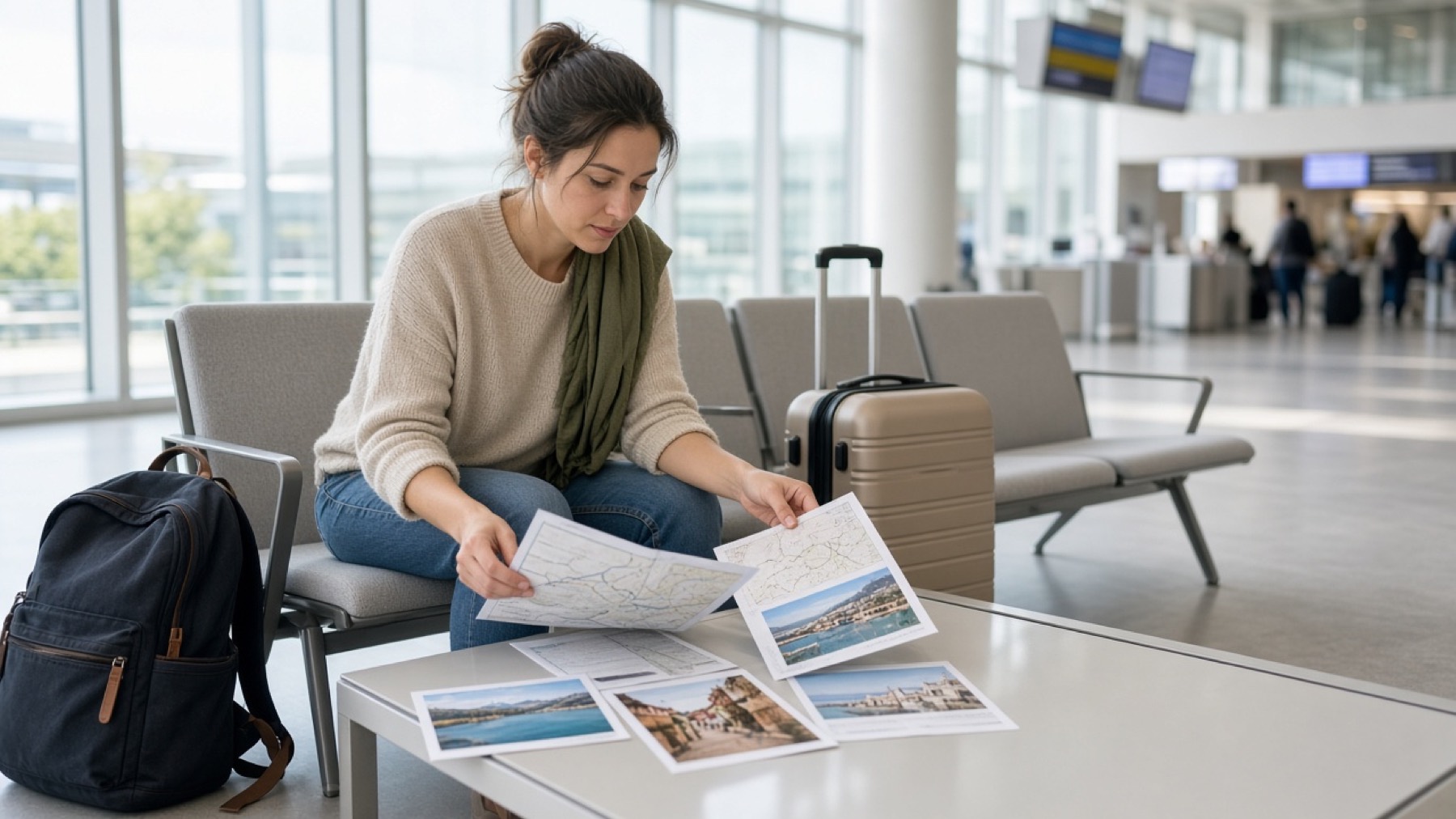
Watch a departure hall and the pattern is obvious. People who already hold a ticket are still comparing maps, neighborhoods, and the thing they might do on the second day. The purchase did not close the question. It opened a longer one: did I choose well, and do I still want this?
A booking is a pause in the research, not the end of it.
That habit changes the job of an airline, a hotel, a tour operator, and the city trying to host them. The first task is to be in the conversation early, when the trip is still a vague intention. The second is to stay useful after the money has moved: a change that is easy, a detail that arrives before the guest has to ask, a reason to keep the original plan when a competing offer appears in the same feed.
Companies that treat the sale as the finish tend to spend on acquisition and then go quiet. The traveler does not go quiet. In the gap, another brand can borrow the trip without paying for the first click. The practical response is a single path from the earliest idea to the journey itself, owned by people who can see both the demand and the operation.
The operators who will keep the relationship are the ones who give a traveler a reason to stay with the choice they already made. Interest early. Presence after the booking. A service that makes switching feel like a loss of something concrete, not just a missed discount.
Continue